

The Colonization of Africa: A History That Still Shapes the Present
Africa’s story is one of rich civilizations, powerful kingdoms, and deep cultural heritage. Yet, one of the most defining chapters in its history is the period of colonization—a time when European powers divided and controlled much of the continent.
Understanding how Africa was colonized is essential not just for history, but for making sense of today’s economic, political, and social realities.
Africa Before Colonization
Before European colonization, Africa was home to advanced and diverse societies:
- The Mali Empire thrived through trade in gold and salt
- The Songhai Empire was a center of learning and governance
- The Kingdom of Aksum was a major trading power
Across the continent, communities had established:
- Trade networks
- Political systems
- Agricultural economies
Africa was not “undeveloped”—it was developing on its own terms.
Early European Contact (15th–18th Century)
European interaction with Africa began with exploration and trade.
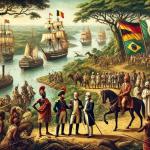
Countries like Portugal, Spain, and later Britain established coastal trading posts.
One of the darkest aspects of this period was the Transatlantic Slave Trade, during which millions of Africans were forcibly taken to the Americas.
This system:
- Disrupted societies
- Weakened political structures
- Created long-term economic damage
The Scramble for Africa (Late 19th Century)
The most intense phase of colonization came during the Scramble for Africa.
Between roughly 1880 and 1914, European powers rushed to claim African territory.
Key players included:
- Britain
- France
- Belgium
- Germany
- Italy
At the Berlin Conference, European nations met to divide Africa among themselves—without any African representation.
This led to:
- Artificial borders
- Ethnic divisions
- Conflicts that still affect the continent today
Colonial Rule: Control and Exploitation
Once territories were claimed, colonial governments imposed control.
They focused on:
- Extracting natural resources (gold, rubber, oil)
- Forcing labor systems
- Building infrastructure mainly for resource export
A notorious example is the rule of King Leopold II in the Congo, where millions suffered under brutal exploitation.
Colonial systems often:
- Undermined local leadership
- Suppressed cultures and languages
- Reoriented economies to serve Europe
Resistance and Independence Movements
Africans did not accept colonization passively.
Resistance took many forms:
- Armed struggles
- Political movements
- Cultural preservation
In the 20th century, leaders like:
- Kwame Nkrumah
- Jomo Kenyatta
- Nelson Mandela
helped lead the fight for independence.
By the 1960s, most African countries had gained freedom from colonial rule.
The Lasting Impact of Colonization
Although political independence was achieved, the effects of colonization remain:
- Borders that ignore ethnic and cultural realities
- Economies dependent on raw material exports
- Governance systems influenced by colonial structures
- Social and economic inequalities
These challenges continue to shape Africa’s development today.
Africa Today: Reclaiming the Narrative
Modern Africa is not defined by its colonial past—but it is shaped by it.
Today, the continent is:
- Building stronger economies
- Investing in innovation and entrepreneurship
- Promoting African identity and culture globally
From fintech to fashion, Africa is rewriting its story.
The colonization of Africa was not just a historical event—
It was a turning point that reshaped an entire continent.
But history does not define destiny.
Africa’s future is being built by a new generation—
One that understands the past, but is focused on creating its own path forward.
About Me

Obinna Kizito
We are a pan-African e-commerce marketplace built to showcase and distribute authentic African-made products across the continent. Our platform brings together African creators, brands, and artisans, offering customers access to quality fashion and textiles, natural beauty and personal care products, and handcrafted home décor inspired by Africa’s rich cultures. By combining trusted sellers, seamless payments, and cross-border delivery, we make it easier for African products to reach African homes—no matter the country.

Latest Posts

Sale
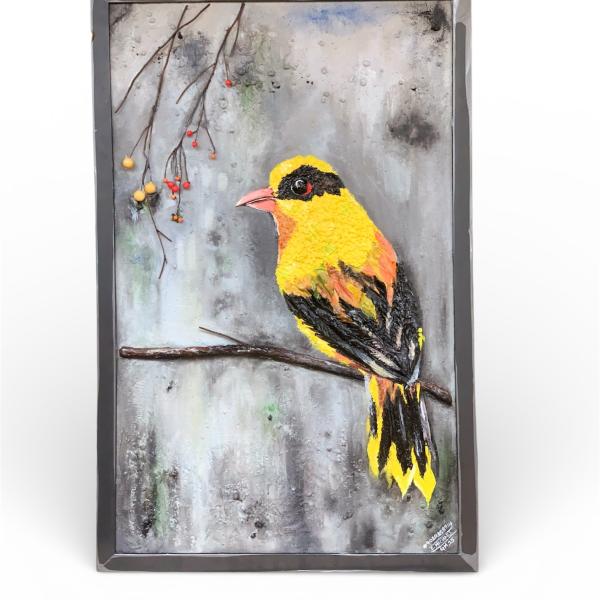
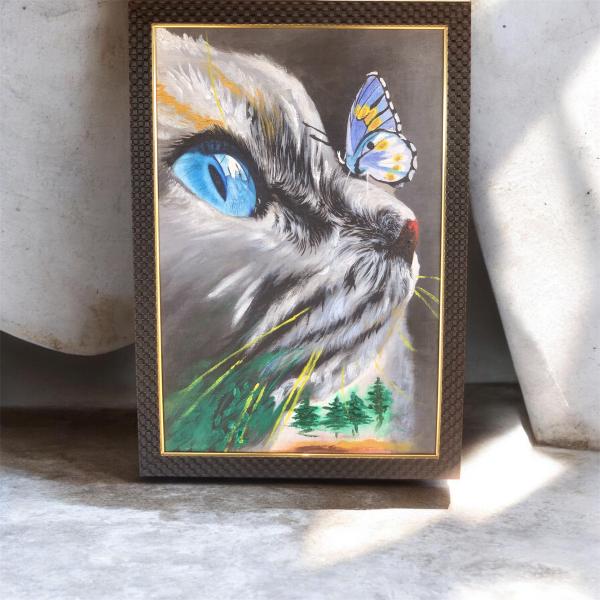
3d colorful bird painting 🇳🇬
₦100,000.00
Sale
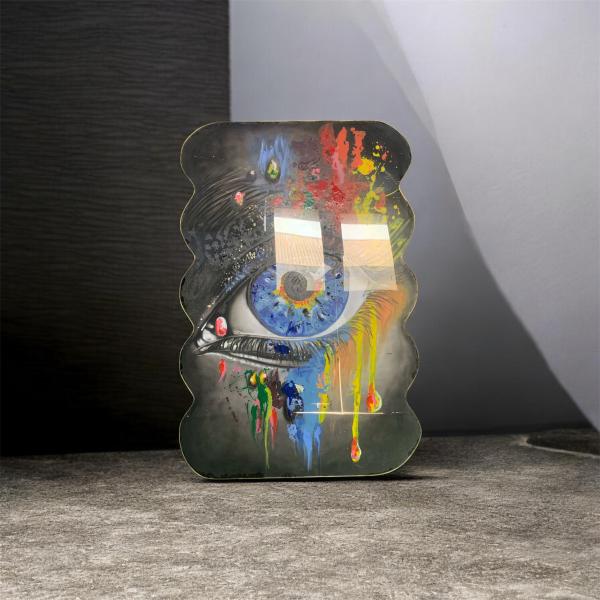
Illusion
₦90,000.00
Hot
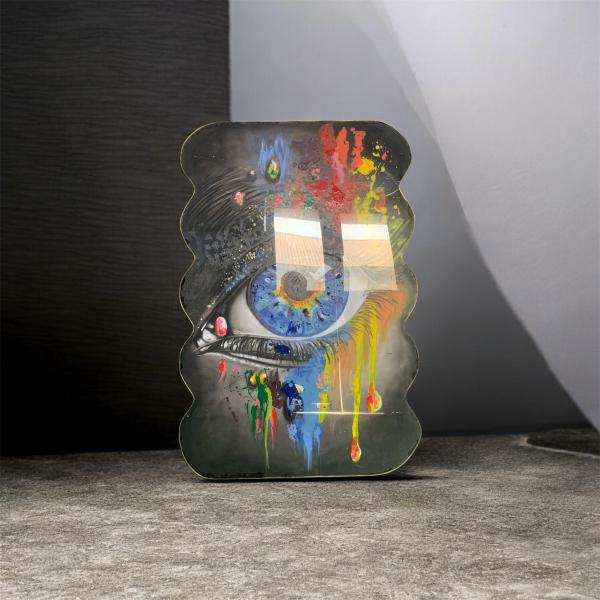
Art eye painting
₦110,000.00
₦120,000.00
-5%
Art eye painting
₦95,000.00
₦100,000.00

Hot
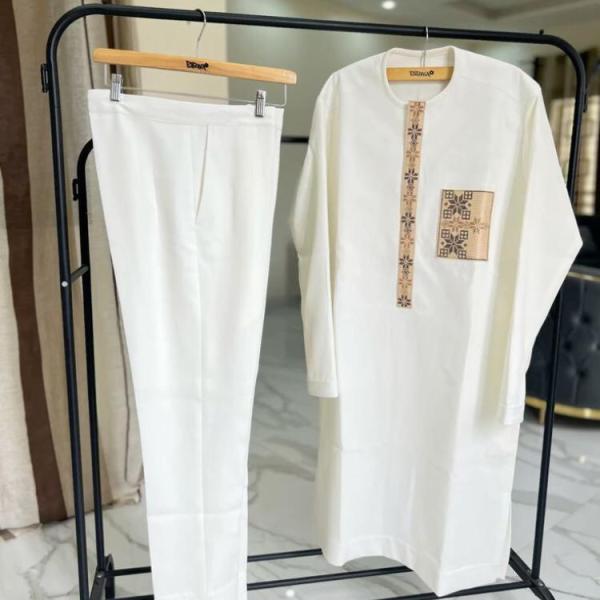
Designer button-down shirt with trouser
₦48,000.00
₦50,000.00
Hot
Kaftan
₦50,000.00
₦55,000.00
-9%
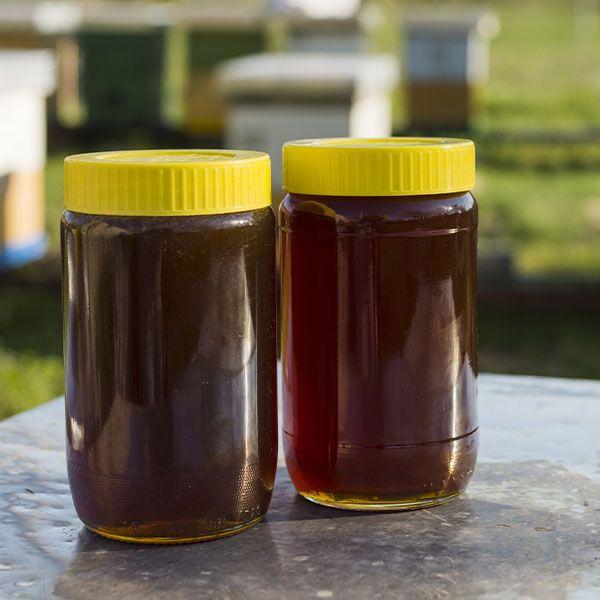
Spice & Sweetness Box (Buy Cinnamon + Honey + Tiger Nuts)
₦10,000.00
₦11,000.00


Sale
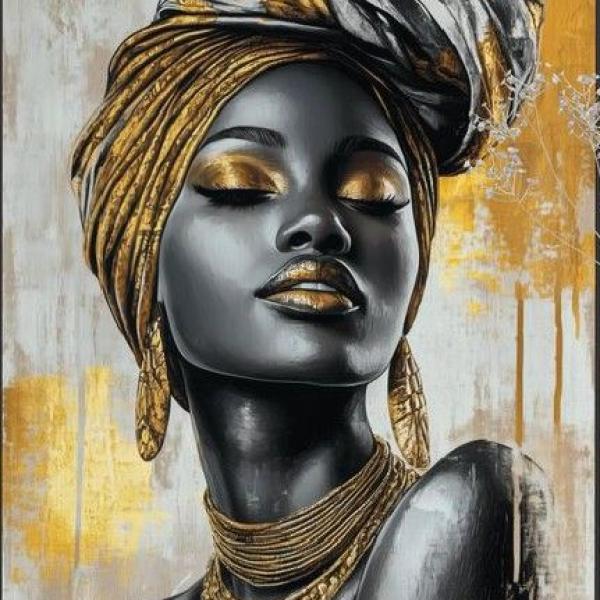
African wall art
₦35,000.00
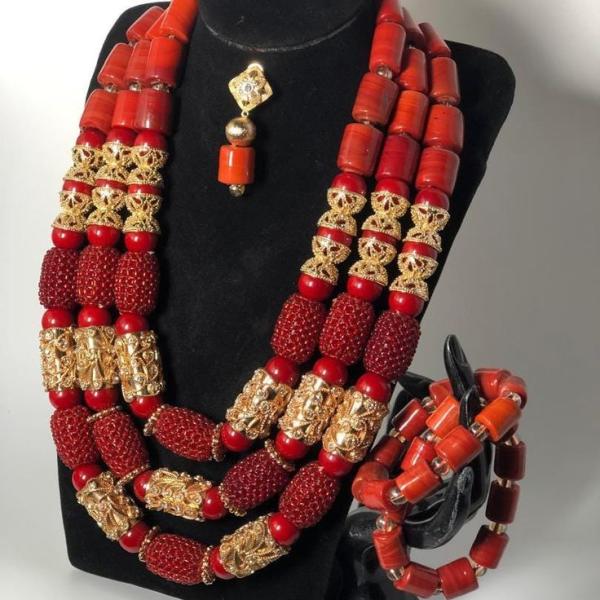
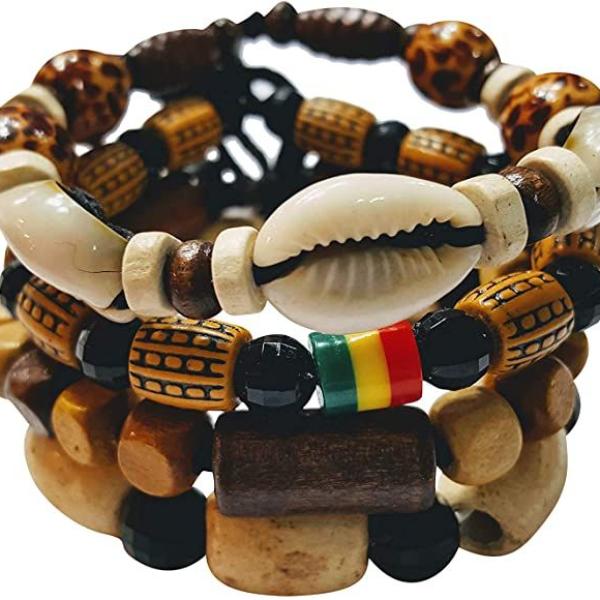
African bracelet
₦5,000.00

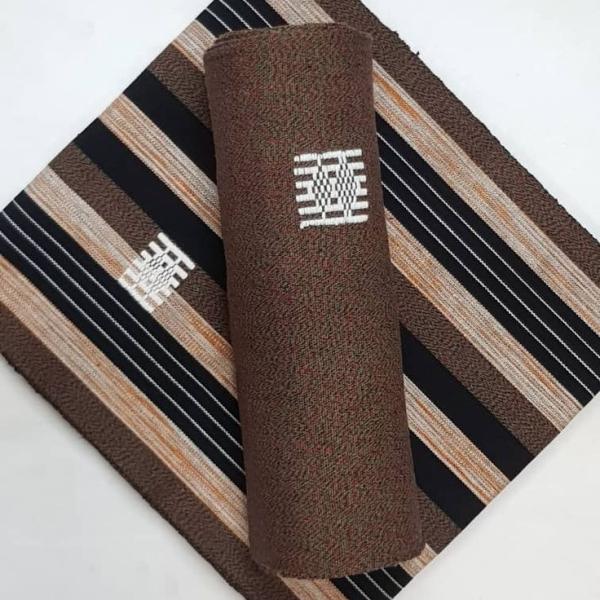
Aso oke
₦20,000.00

Wooden Mortar and Pestle Set Hammer
₦20,000.00
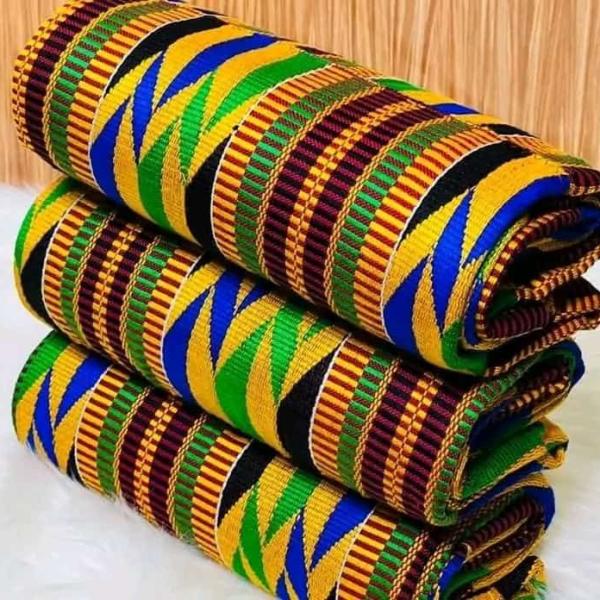
Kante
₦15,000.00

Hot
New
Authentic Kante
₦15,000.00

Ghanaian🇬🇭 Shea butter
₦5,000.00

-10%
Black full leather bag
₦45,000.00
₦50,000.00

-10%
Leather brown shoe
₦45,000.00
₦50,000.00
You've seen all products
