

The Power of African Homemade Products: Why Local Craft Matters More Than Ever
Across Africa, millions of products are made not in factories—but in homes, small workshops, and local communities. From handmade baskets to natural skincare, these homemade products carry something mass-produced goods often lack: authenticity, culture, and impact.
Today, as global consumers shift toward ethical and meaningful purchases, African homemade products are stepping into the spotlight.
More Than Products—They’re Stories
Every handmade item tells a story.
- A woven basket reflects generations of skill
- A handcrafted fabric carries cultural identity
- A natural skincare product connects to indigenous knowledge
In countries like Ghana, Kenya, and Morocco, artisans pass down techniques through families, preserving traditions that might otherwise disappear.
Economic Empowerment at the Grassroots
Homemade products are a lifeline for local economies.
They:
- Create income for rural households
- Support women-led businesses
- Provide jobs without requiring large capital
Organizations like UN Women highlight how small-scale production empowers women financially and socially across Africa.
When you buy homemade, you’re not just purchasing a product—you’re supporting a livelihood.
Sustainability & Natural Production
African homemade goods are often:
- Made with locally sourced materials
- Produced with minimal environmental impact
- Free from heavy industrial processing
For example:
- Shea butter from West Africa
- Handwoven textiles using natural dyes
- Wooden crafts made from sustainable sources
This aligns perfectly with the global demand for eco-friendly and ethical products.
Uniqueness in a Mass-Produced World
In a world dominated by identical factory goods, homemade products stand out.
No two items are exactly the same.
That uniqueness:
- Adds emotional value
- Appeals to premium buyers
- Creates a strong brand story
This is why global consumers are increasingly choosing handmade over mass-produced.
Global Demand is Rising
Platforms and brands around the world are now showcasing African handmade goods.
Even global marketplaces like Etsy have seen growing demand for:
- African crafts
- Handmade jewelry
- Natural beauty products
The “Made in Africa” label is becoming a mark of authenticity and quality.
Challenges Facing Local Producers
Despite the potential, many artisans face:
- Limited access to global markets
- Poor logistics and delivery systems
- Lack of branding and packaging
- Competition from cheap imports
This is where digital platforms can make a huge difference.
The Opportunity for Your Pan-African E-commerce Platform
This is your competitive edge.
By focusing on homemade products, you can:
- Offer exclusive, hard-to-find items
- Build a brand around authentic African stories
- Empower local communities
- Attract global buyers looking for meaningful purchases
Think beyond products—think impact-driven commerce.
Final Thought
African homemade products are not small—they are powerful.
They represent:
- Culture
- Creativity
- Survival
- Innovation
In a fast, industrial world, they remind us of something important:
the human touch still matters.
And for Africa, that touch could be the key to unlocking a new era of global trade.
About Me

Obinna Kizito
We are a pan-African e-commerce marketplace built to showcase and distribute authentic African-made products across the continent. Our platform brings together African creators, brands, and artisans, offering customers access to quality fashion and textiles, natural beauty and personal care products, and handcrafted home décor inspired by Africa’s rich cultures. By combining trusted sellers, seamless payments, and cross-border delivery, we make it easier for African products to reach African homes—no matter the country.

Latest Posts


Sale
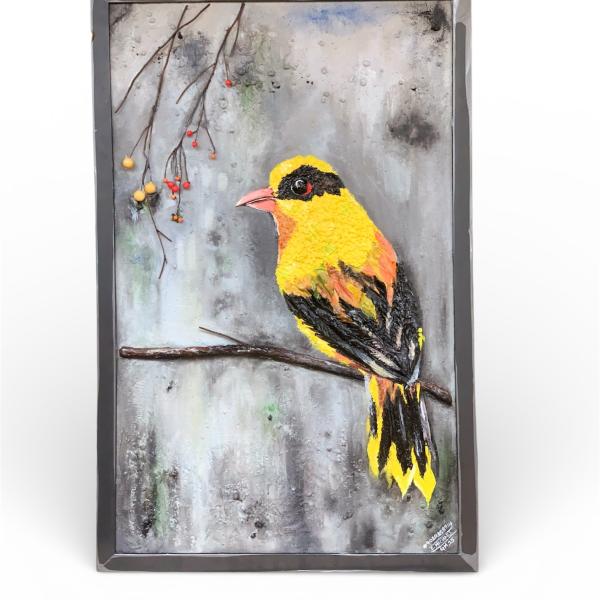
3d colorful bird painting 🇳🇬
₦100,000.00
Sale
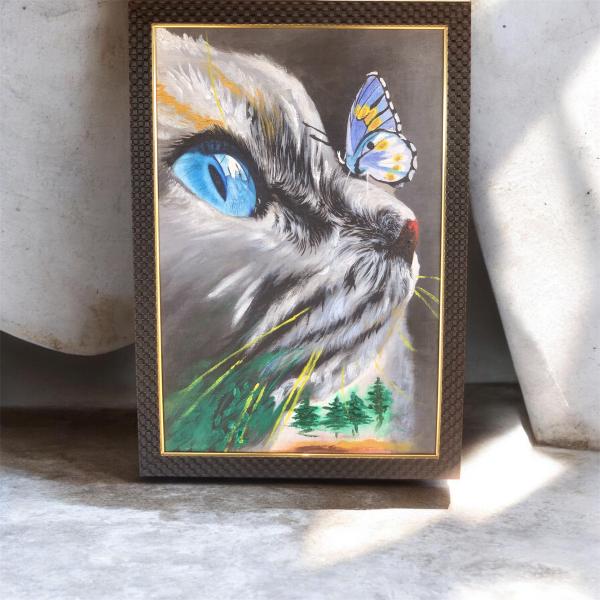
Illusion
₦90,000.00
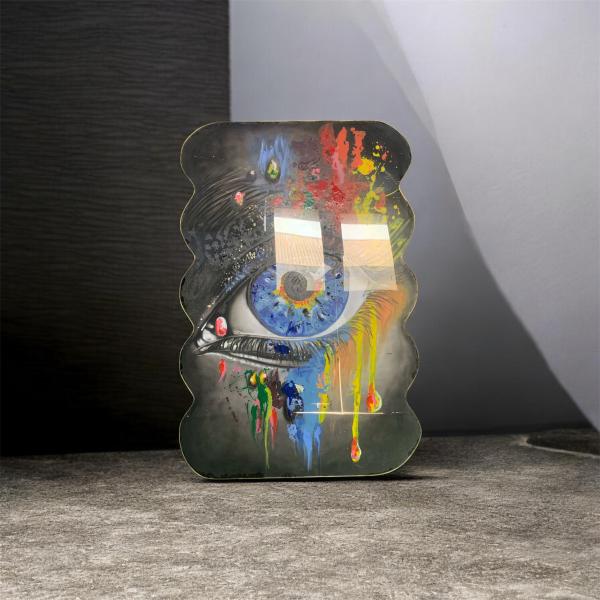
Hot
Art eye painting
₦110,000.00
₦120,000.00
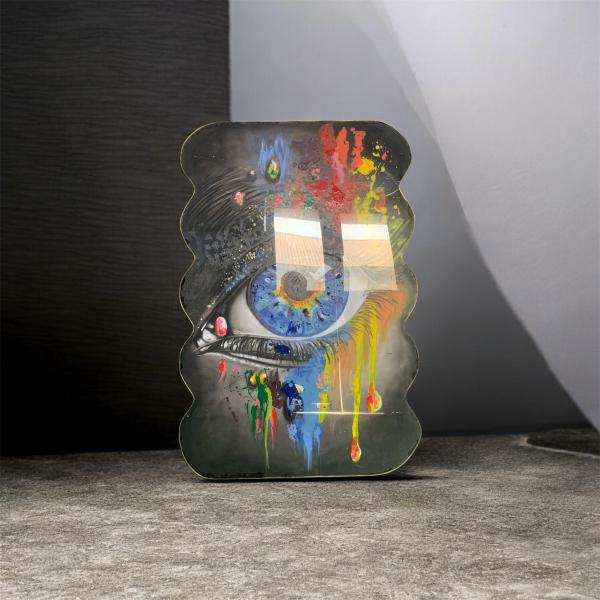
-5%
Art eye painting
₦95,000.00
₦100,000.00
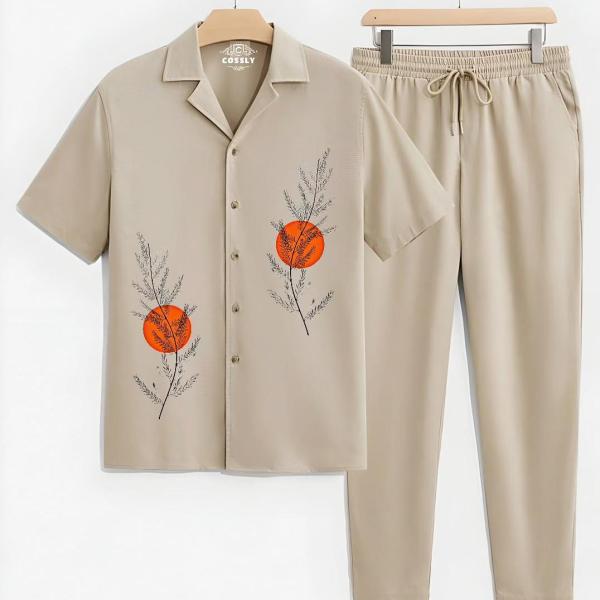
Hot
Designer button-down shirt with trouser
₦48,000.00
₦50,000.00
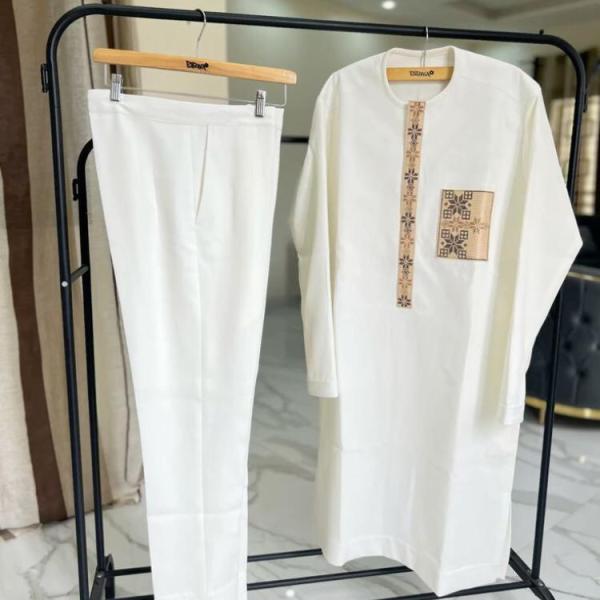
Hot
Kaftan
₦50,000.00
₦55,000.00
-9%
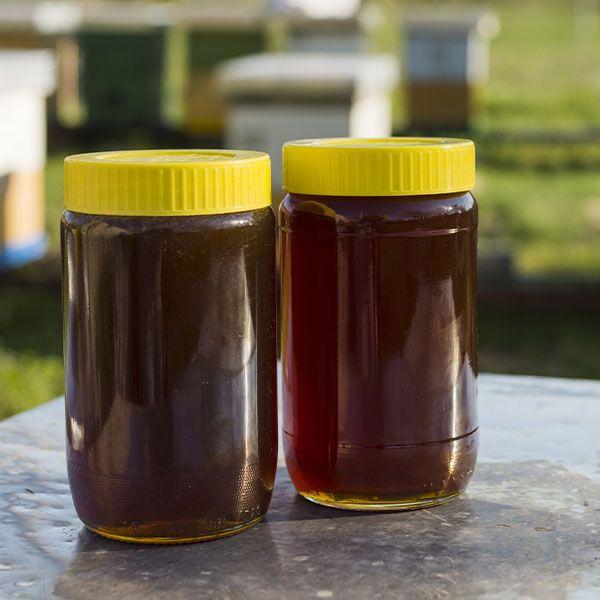
Spice & Sweetness Box (Buy Cinnamon + Honey + Tiger Nuts)
₦10,000.00
₦11,000.00

Sale
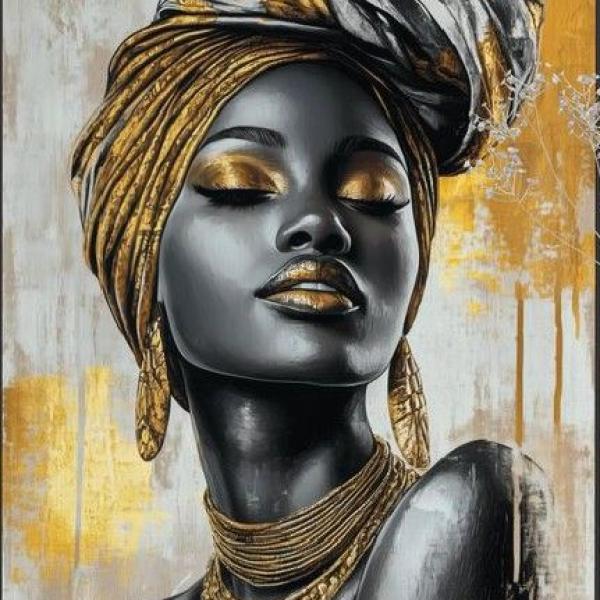
African wall art
₦35,000.00
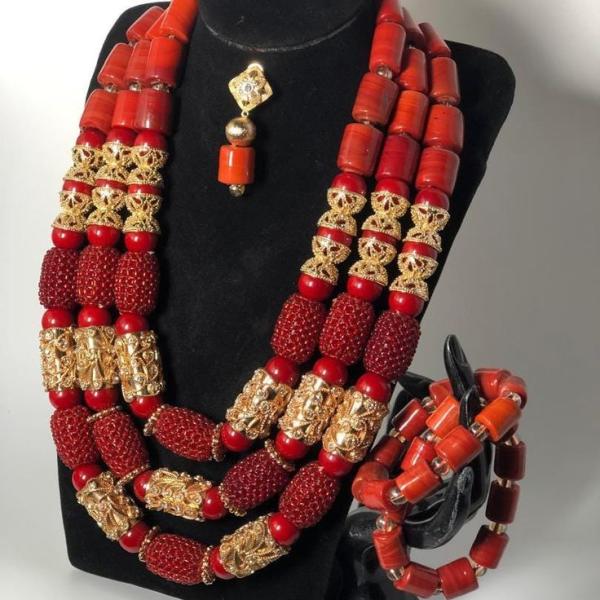
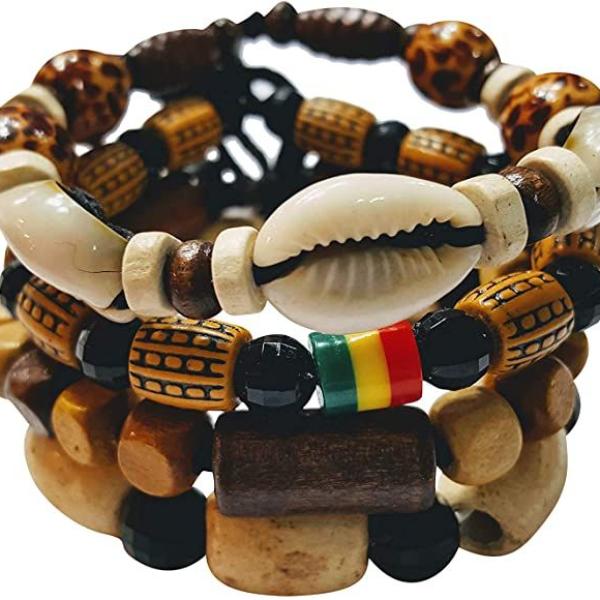
African bracelet
₦5,000.00
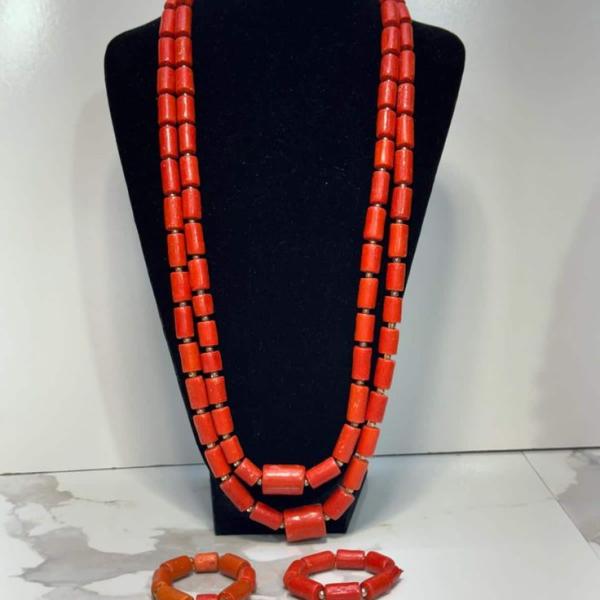
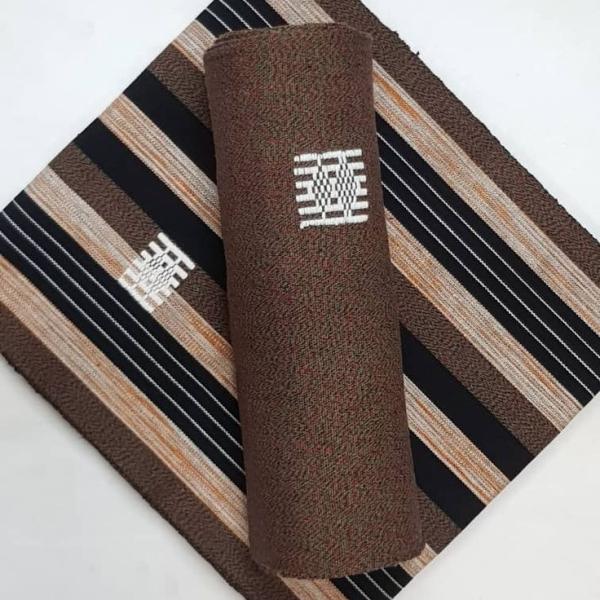
Aso oke
₦20,000.00
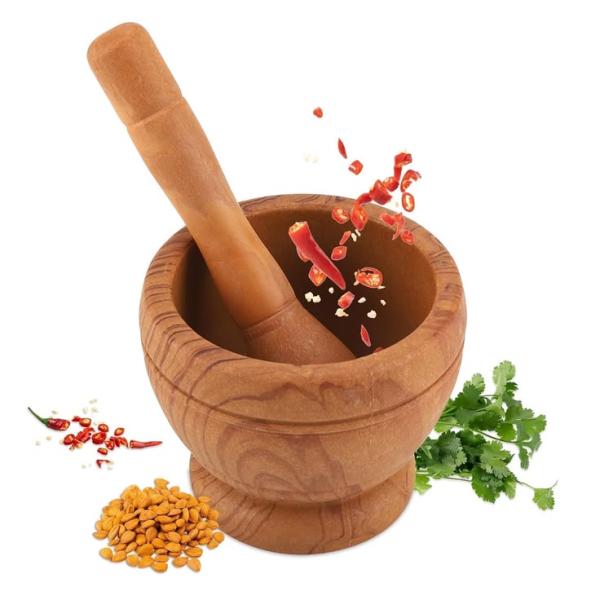
Wooden Mortar and Pestle Set Hammer
₦20,000.00
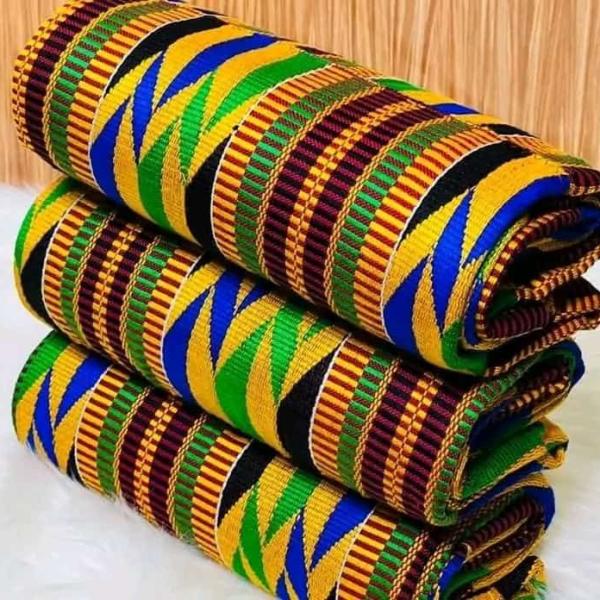
Kante
₦15,000.00
Hot
New
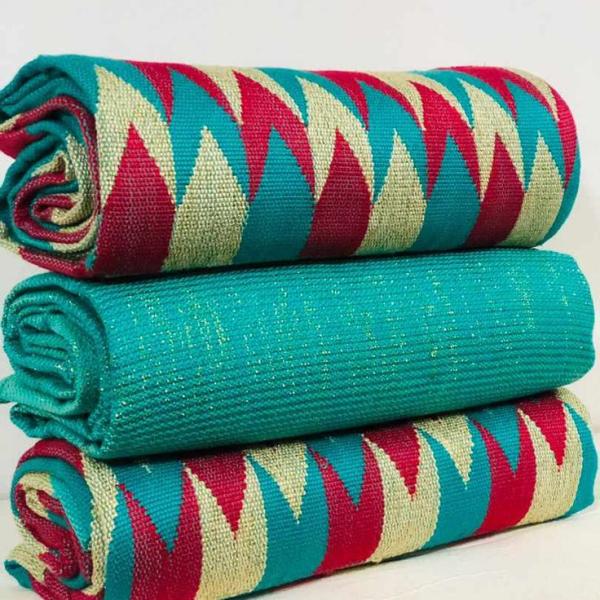
Authentic Kante
₦15,000.00
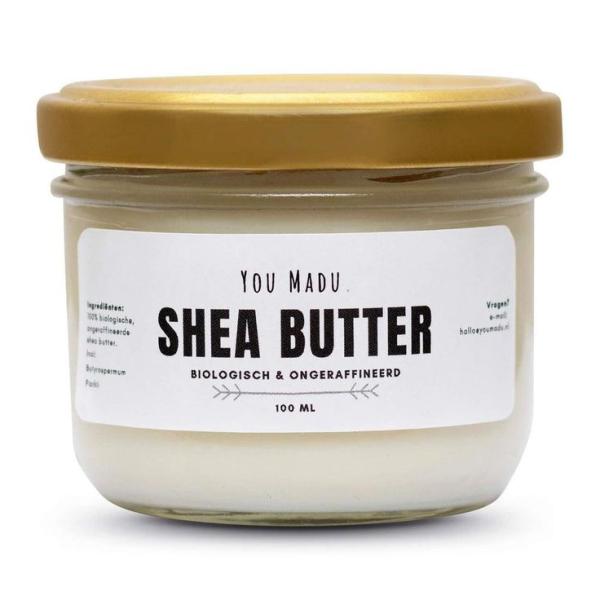
Ghanaian🇬🇭 Shea butter
₦5,000.00
-10%
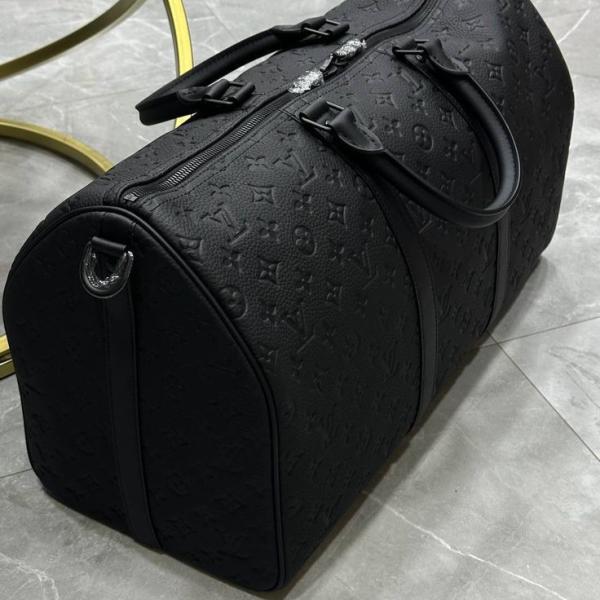
Black full leather bag
₦45,000.00
₦50,000.00
-10%
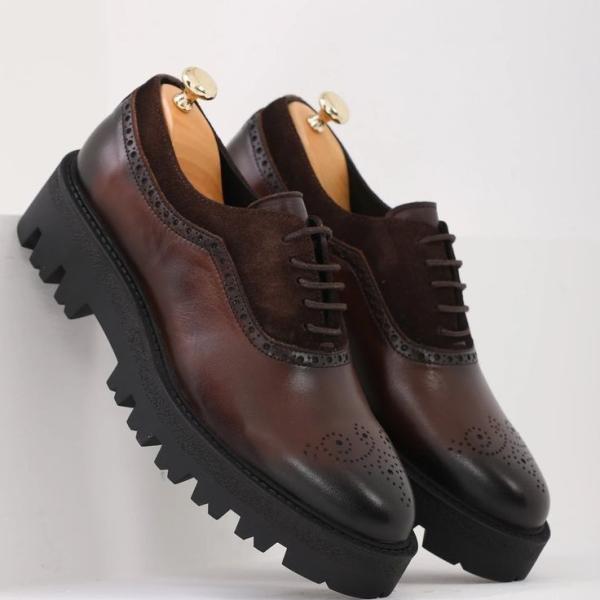
Leather brown shoe
₦45,000.00
₦50,000.00
You've seen all products
