

The Rise of “Made in Africa” Brands: From Local Pride to Global Powerhouses
For decades, Africa was seen primarily as a source of raw materials. Today, that narrative is rapidly changing.
A new wave of “Made in Africa” brands is emerging—bold, creative, and globally competitive. From fashion to food, beauty to manufacturing, African entrepreneurs are no longer just exporting resources…
They’re exporting finished products, culture, and identity.
A Shift in the Narrative
Historically, African economies exported raw goods like cocoa, cotton, and oil—while finished products were imported at higher prices.
Now, countries like Nigeria, Kenya, South Africa, and Ethiopia are investing in local manufacturing, branding, and design.
The result? A growing ecosystem of brands proudly labeled:
Made in Africa
Fashion Leading the Movement
African fashion is at the forefront of this transformation.
Designers are blending tradition with modern style, creating globally recognized brands:
- Maxhosa Africa – Known for luxury knitwear inspired by Xhosa culture
- Lisa Folawiyo – Reinventing Ankara fabric into high-end fashion
- Moshions – Fusing African heritage with contemporary design
These brands are now seen on international runways and worn by global celebrities.
Beauty & Skincare: Rooted in Nature
Africa’s natural resources are giving rise to powerful beauty brands:
- Arami Essentials – Focused on raw, natural African ingredients
- Shea Radiance – Built around ethically sourced shea butter
- House of Tara – One of Africa’s pioneering makeup companies
These brands are competing with global giants by emphasizing:
- Authentic sourcing
- Clean ingredients
- Cultural identity
Food & Beverage Going Global
African food products are also gaining international recognition:
- Café Touba – A culturally significant spiced coffee
- Aduna – Promoting baobab and moringa globally
- Blue Skies – Exporting fresh-cut fruits from Africa to Europe
Consumers worldwide are becoming more curious about African flavors and superfoods.
Manufacturing & Local Innovation
Governments and entrepreneurs are pushing industrialization:
- Ethiopia has become a hub for textile manufacturing
- Rwanda promotes “Made in Rwanda” policies
- Ghana is investing in local processing of cocoa and cosmetics
This shift ensures that more value stays within the continent.
Why “Made in Africa” Matters
This movement is bigger than business—it’s about:
- Economic independence
- Job creation
- Cultural pride
- Global representation
Every locally produced product reduces reliance on imports and strengthens African economies.
The Opportunity for Pan-African E-commerce
For your e-commerce platform, this is a massive opportunity:
- Curate authentic “Made in Africa” products
- Tell the stories behind each brand
- Connect African creators directly with global buyers
Consumers today don’t just buy products—they buy meaning, impact, and identity.
Final Thought
“Made in Africa” is no longer a label of limitation.
It’s becoming a mark of quality, authenticity, and innovation.
The future of global commerce won’t just include African brands…
It will be shaped by them.
About Me
Obinna Kizito
We are a pan-African e-commerce marketplace built to showcase and distribute authentic African-made products across the continent. Our platform brings together African creators, brands, and artisans, offering customers access to quality fashion and textiles, natural beauty and personal care products, and handcrafted home décor inspired by Africa’s rich cultures. By combining trusted sellers, seamless payments, and cross-border delivery, we make it easier for African products to reach African homes—no matter the country.
Latest Posts

Sale
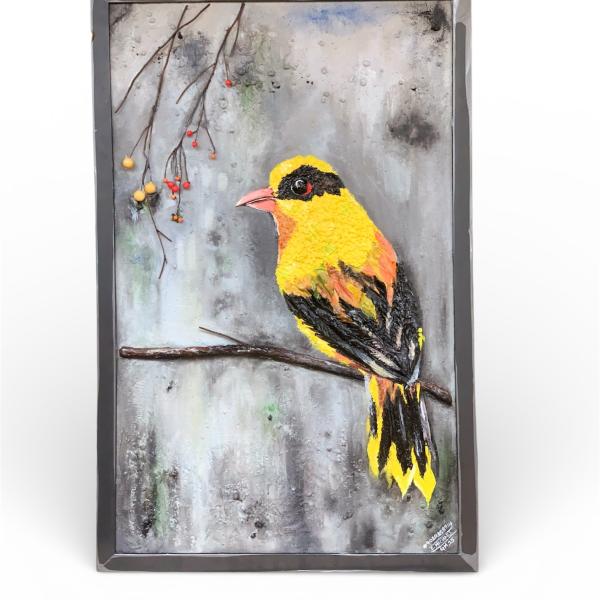
3d colorful bird painting 🇳🇬
₦100,000.00
Sale
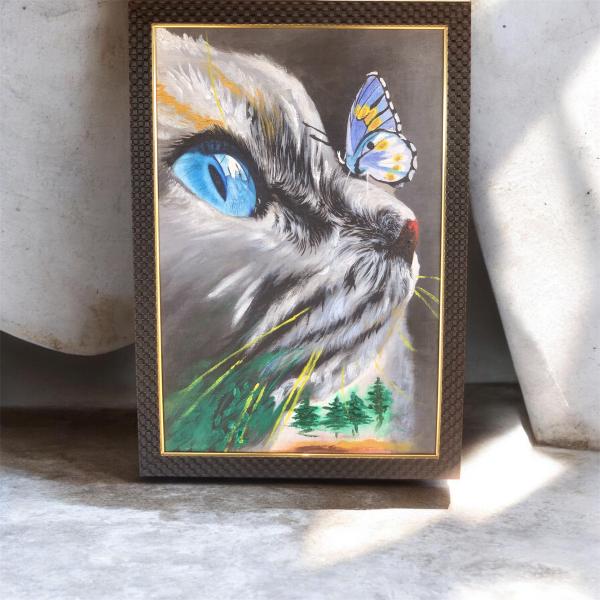
Illusion
₦90,000.00
Hot
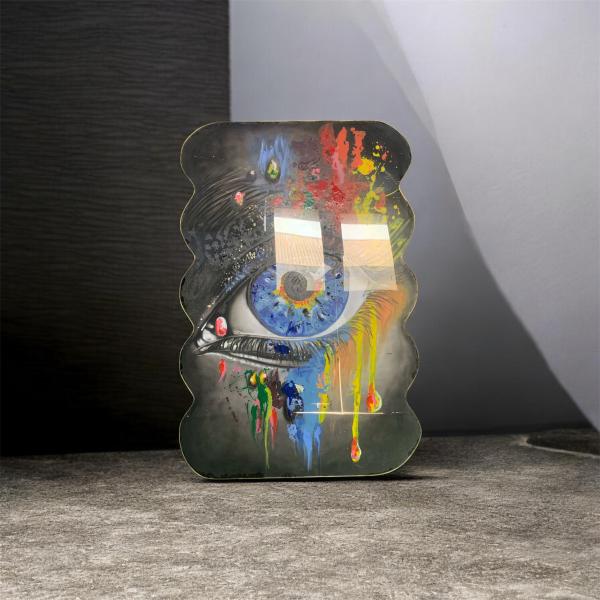
Art eye painting
₦110,000.00
₦120,000.00
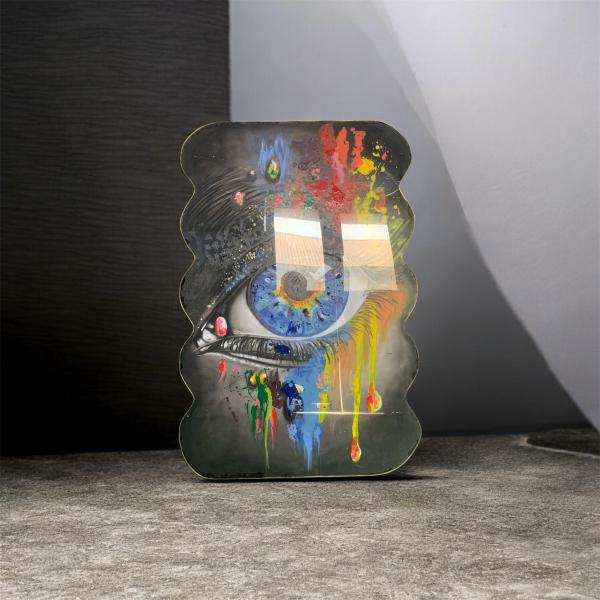
-5%
Art eye painting
₦95,000.00
₦100,000.00
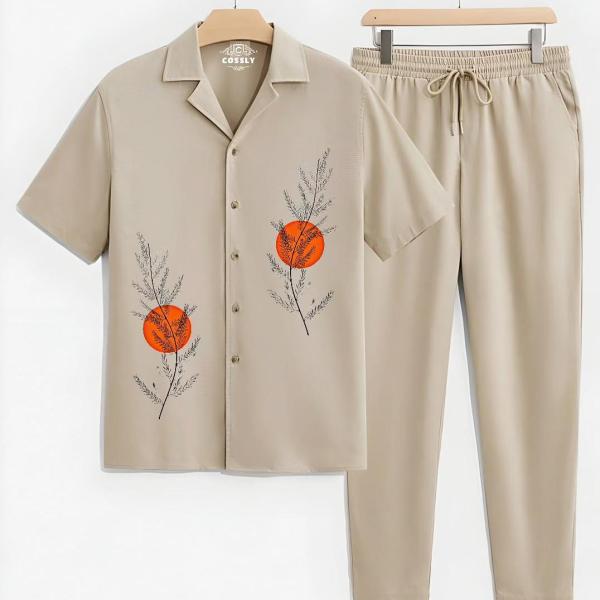
Hot
Designer button-down shirt with trouser
₦48,000.00
₦50,000.00
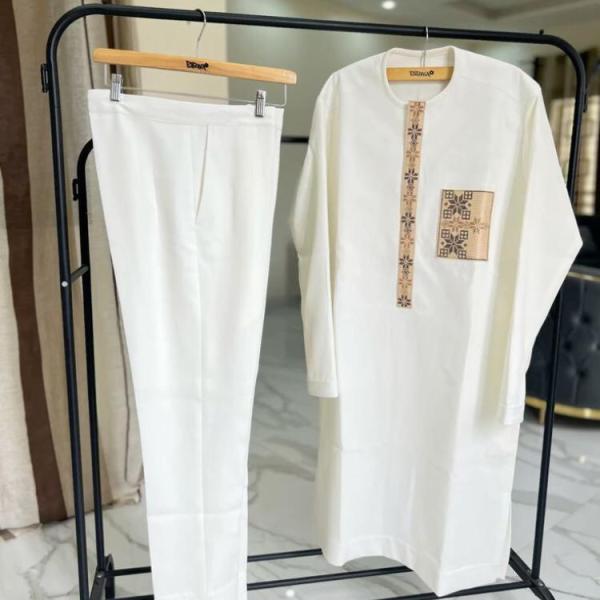
Hot
Kaftan
₦50,000.00
₦55,000.00
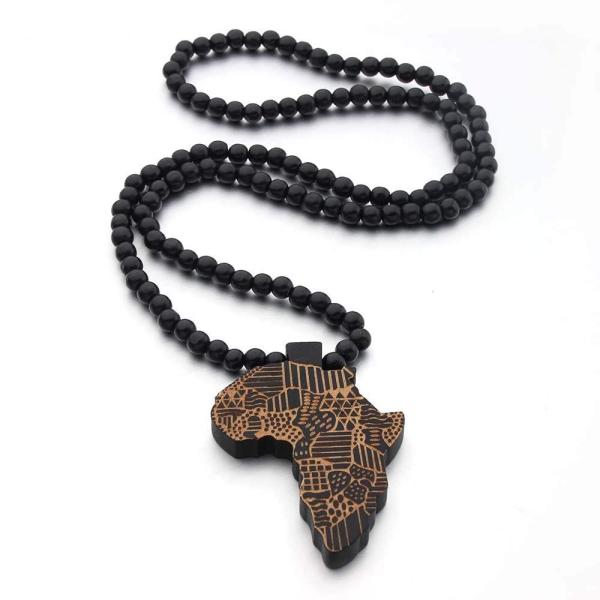
-9%
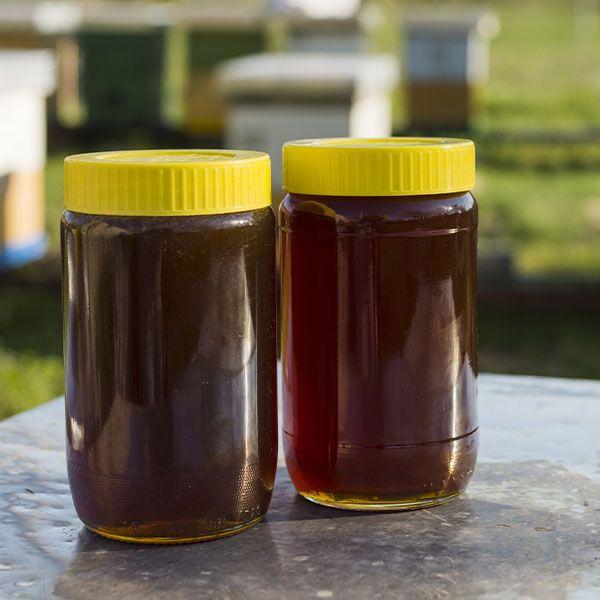
Spice & Sweetness Box (Buy Cinnamon + Honey + Tiger Nuts)
₦10,000.00
₦11,000.00
Sale
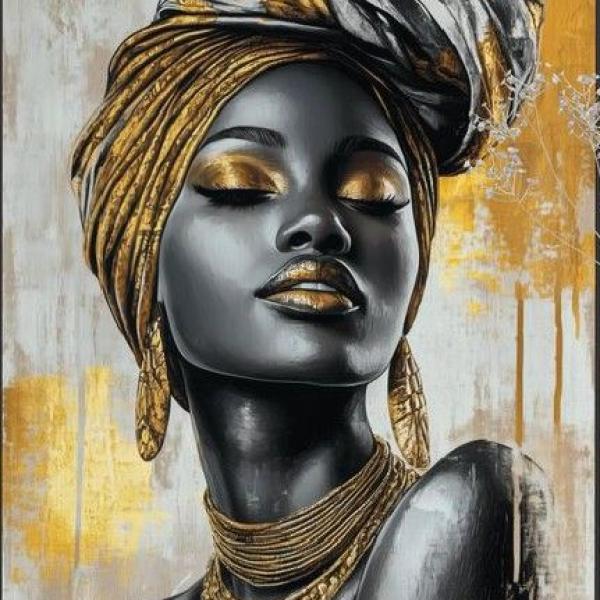
African wall art
₦35,000.00
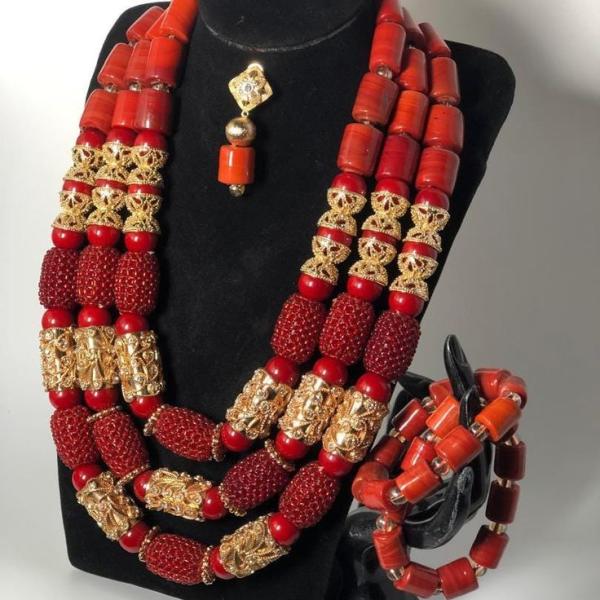
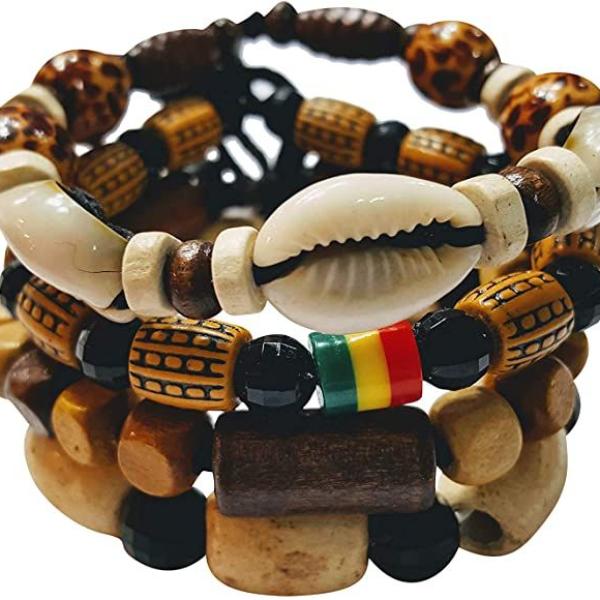
African bracelet
₦5,000.00
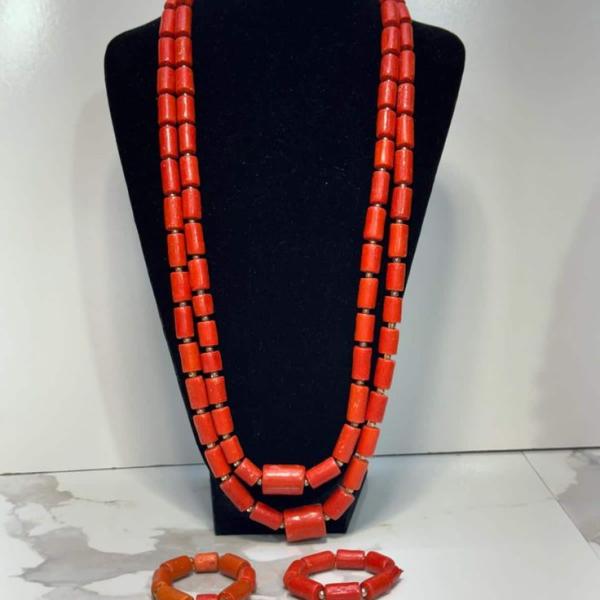
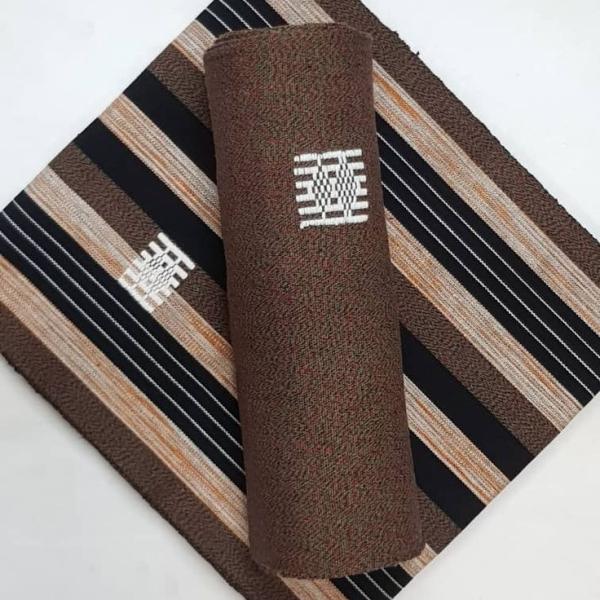
Aso oke
₦20,000.00
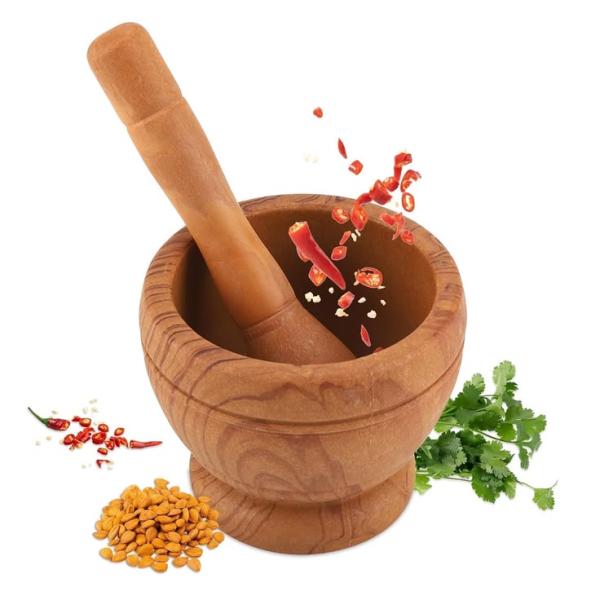
Wooden Mortar and Pestle Set Hammer
₦20,000.00
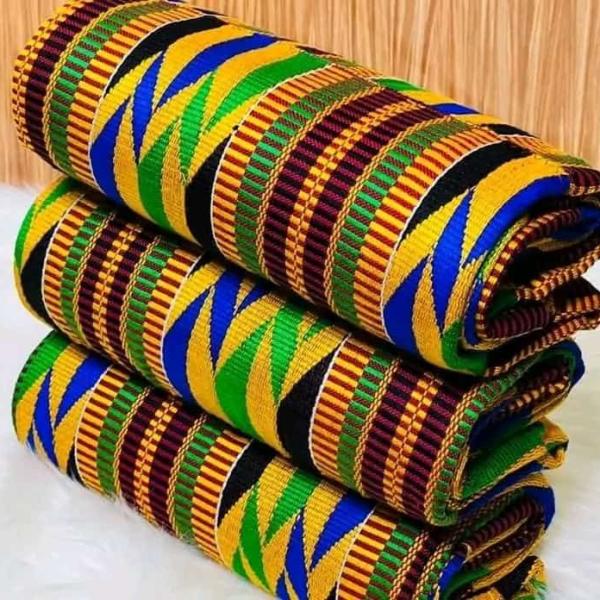
Kante
₦15,000.00
Hot
New
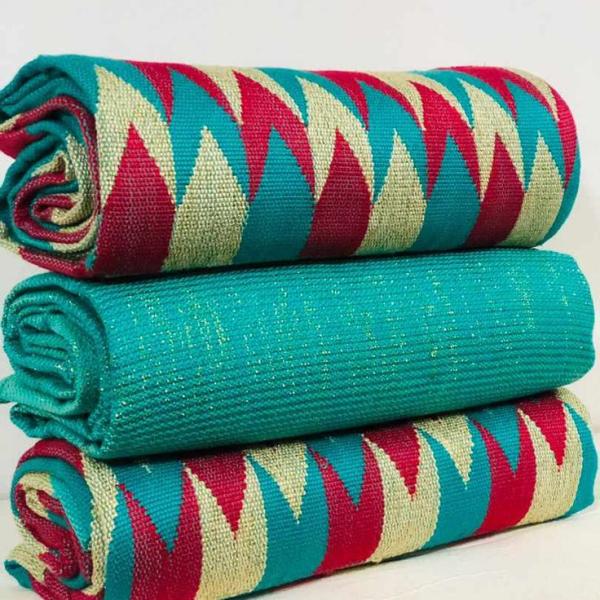
Authentic Kante
₦15,000.00
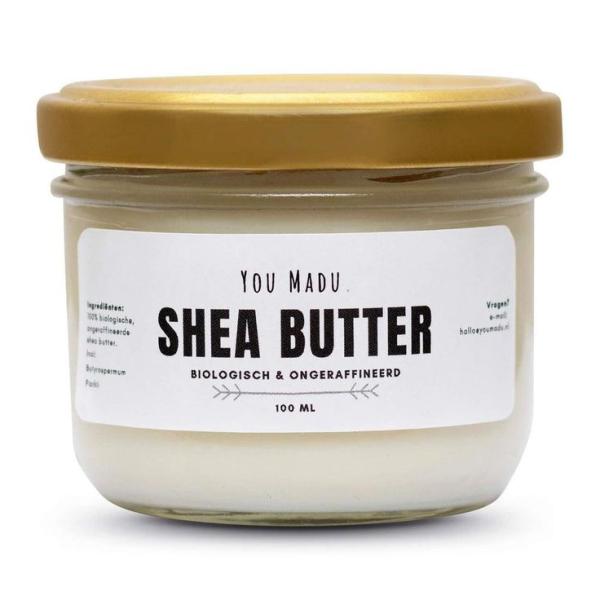
Ghanaian🇬🇭 Shea butter
₦5,000.00
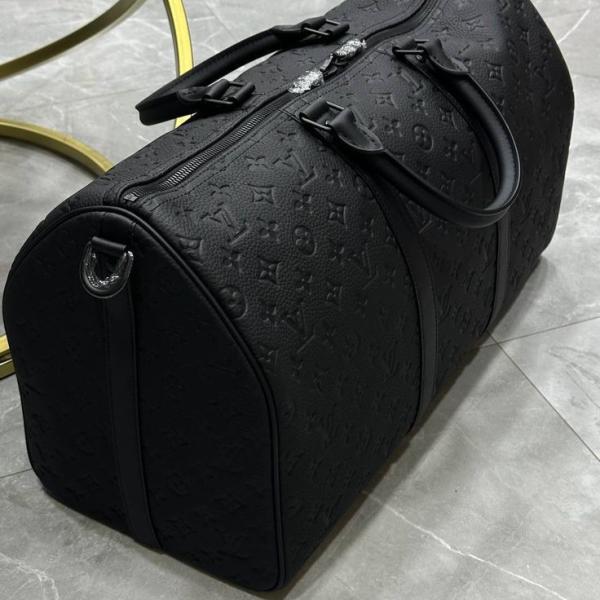
-10%
Black full leather bag
₦45,000.00
₦50,000.00
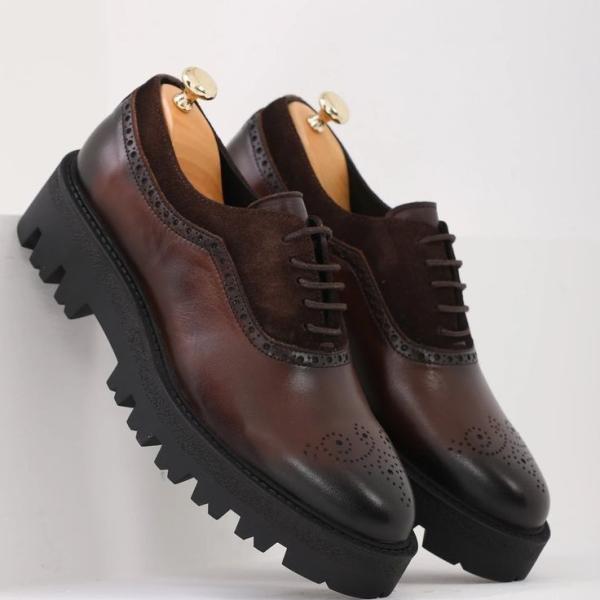
-10%
Leather brown shoe
₦45,000.00
₦50,000.00
You've seen all products
