


💳 Africa’s Fintech Revolution: How Startups Are Rewriting the Rules of Money
In many parts of Africa, traditional banking didn’t just fail to evolve—it never fully reached millions of people. But instead of waiting for change, a new generation of tech startups stepped in.
Today, Africa is one of the fastest-growing fintech regions in the world, and its startups are not just catching up—they’re leapfrogging global systems.
Why Fintech is Exploding in Africa
Across the continent, several factors created the perfect environment for fintech innovation:
- Over 350 million unbanked adults
- High mobile phone penetration
- Expensive and slow traditional banking systems
- A large informal economy
This gap gave rise to solutions that are mobile-first, affordable, and built for real-life African challenges.
The Pioneer: Mobile Money Changed Everything
The fintech revolution in Africa arguably began with M-Pesa in Kenya.
Launched by Safaricom, M-Pesa allowed users to:
- Send and receive money via SMS
- Pay bills without a bank account
- Store value securely on mobile devices
Today, it serves over 50 million users and inspired similar systems across Africa.
The New Wave of Fintech Giants
A new generation of startups is taking things even further:
Flutterwave (Nigeria)
- Enables global payments for African businesses
- Used by companies like Uber
- Valued at over $3 billion
💳 Paystack (Nigeria)
- Simplifies online payments for African merchants
- Acquired by Stripe for $200M+
Chipper Cash (Uganda)
- Offers free cross-border payments
- Expanding into crypto and investments
Opay (Nigeria)
- Super app combining payments, transport, and food delivery
- Massive adoption among everyday users
What Makes African Fintech Different?
Unlike traditional Western banking systems, African fintech is:
- Mobile-first – Built for smartphones, not branches
- Low-cost – Designed for users earning small daily incomes
- Borderless – Solving cross-country payment challenges
- Inclusive – Serving people without formal IDs or credit history
In many ways, Africa is defining the future of finance, not following it.
Challenges Still Ahead
Despite rapid growth, fintech startups face real hurdles:
- Regulatory uncertainty in different countries
- Currency instability
- Infrastructure gaps in rural areas
- Trust issues among first-time digital users
Yet, these challenges are also driving even more innovation.
What This Means for Pan-African E-commerce
Fintech is the backbone of e-commerce growth in Africa.
Without seamless payments:
- Customers can’t buy
- Sellers can’t scale
- Cross-border trade stalls
With fintech:
- A seller in Ghana can receive payments from a buyer in South Africa instantly
- Informal businesses can go digital
- Trust in online transactions increases
Final Thought
Africa skipped landlines and went straight to mobile.
Now, it’s skipping traditional banking and building something entirely new.
The question is no longer “Can Africa catch up?”
It’s: “Is the world ready to catch up with Africa?”
About Me

Obinna Kizito
We are a pan-African e-commerce marketplace built to showcase and distribute authentic African-made products across the continent. Our platform brings together African creators, brands, and artisans, offering customers access to quality fashion and textiles, natural beauty and personal care products, and handcrafted home décor inspired by Africa’s rich cultures. By combining trusted sellers, seamless payments, and cross-border delivery, we make it easier for African products to reach African homes—no matter the country.

Latest Posts



Sale
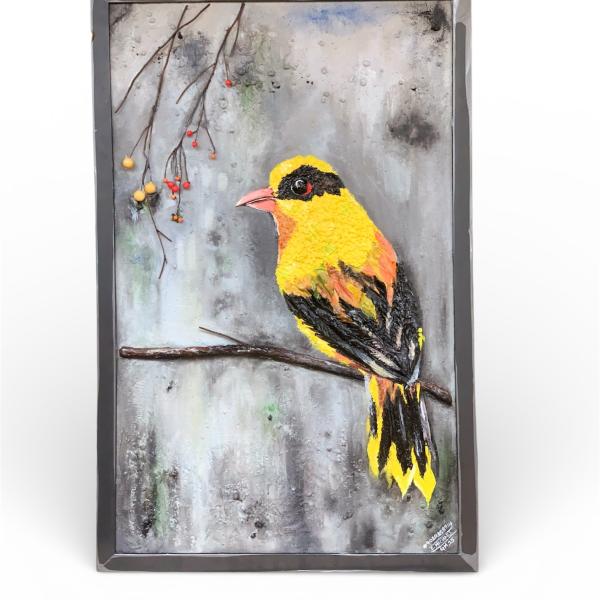
3d colorful bird painting 🇳🇬
₦100,000.00

Sale
Illusion
₦90,000.00

Hot
Art eye painting
₦110,000.00
₦120,000.00

-5%
Art eye painting
₦95,000.00
₦100,000.00

Hot
Designer button-down shirt with trouser
₦48,000.00
₦50,000.00
Hot
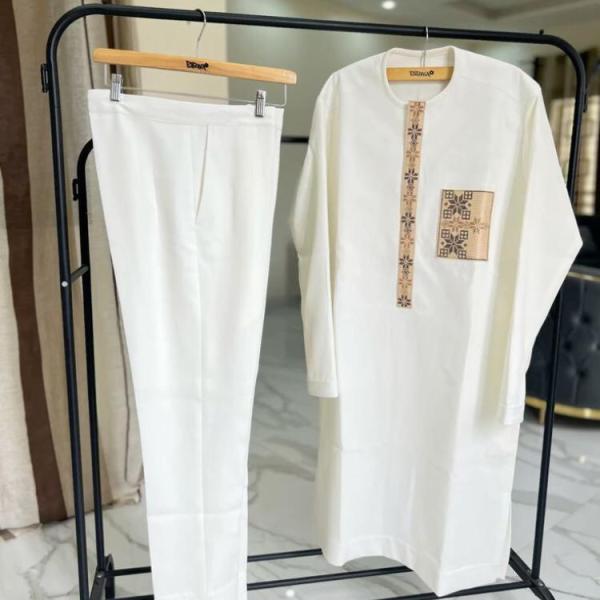
Kaftan
₦50,000.00
₦55,000.00

-9%
Spice & Sweetness Box (Buy Cinnamon + Honey + Tiger Nuts)
₦10,000.00
₦11,000.00


Sale

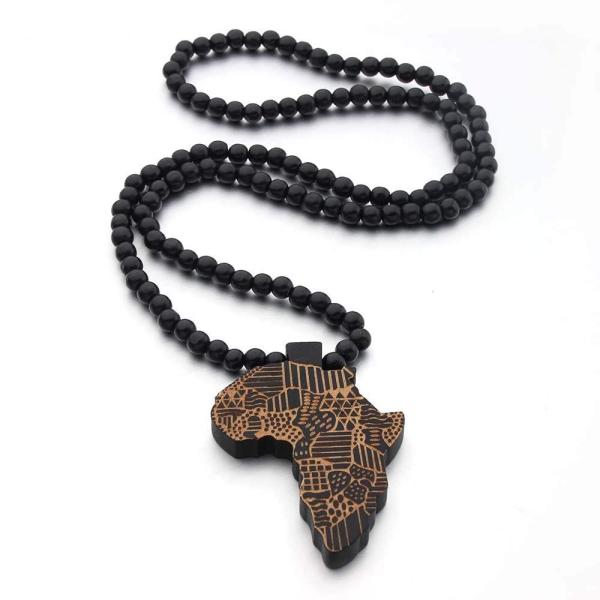
African wall art
₦35,000.00
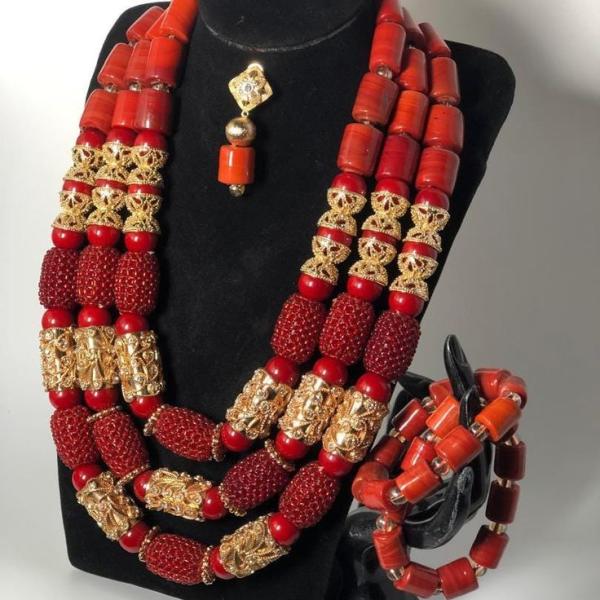

African bracelet
₦5,000.00

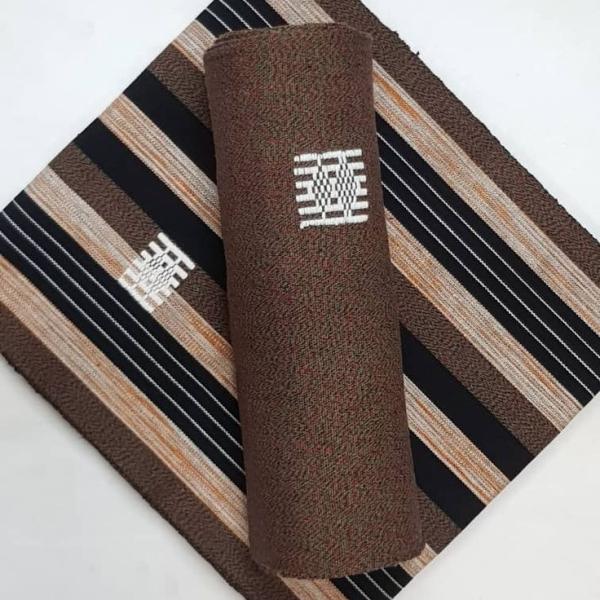
Aso oke
₦20,000.00

Wooden Mortar and Pestle Set Hammer
₦20,000.00
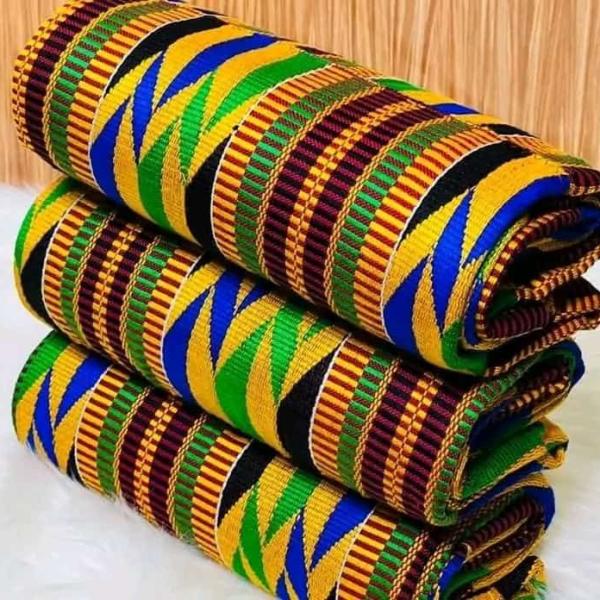
Kante
₦15,000.00
Hot
New
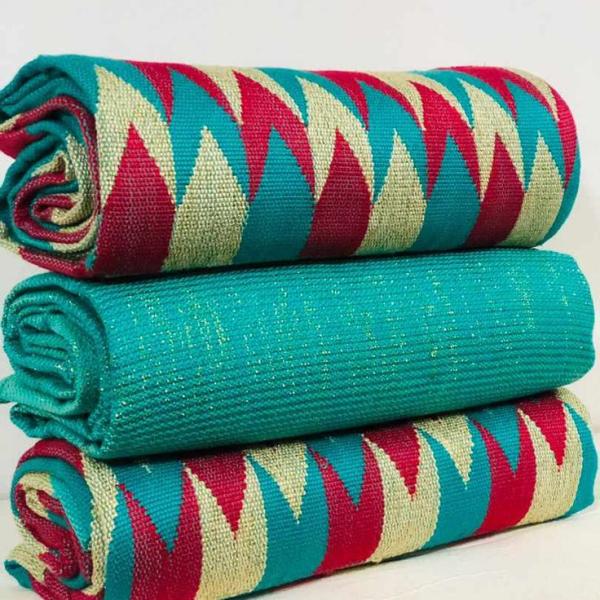
Authentic Kante
₦15,000.00

Ghanaian🇬🇭 Shea butter
₦5,000.00

-10%
Black full leather bag
₦45,000.00
₦50,000.00

-10%
Leather brown shoe
₦45,000.00
₦50,000.00
You've seen all products
